.png)
10 Hair Transplant Myths Explained with Real Facts

Updated: Dec 28, 2025
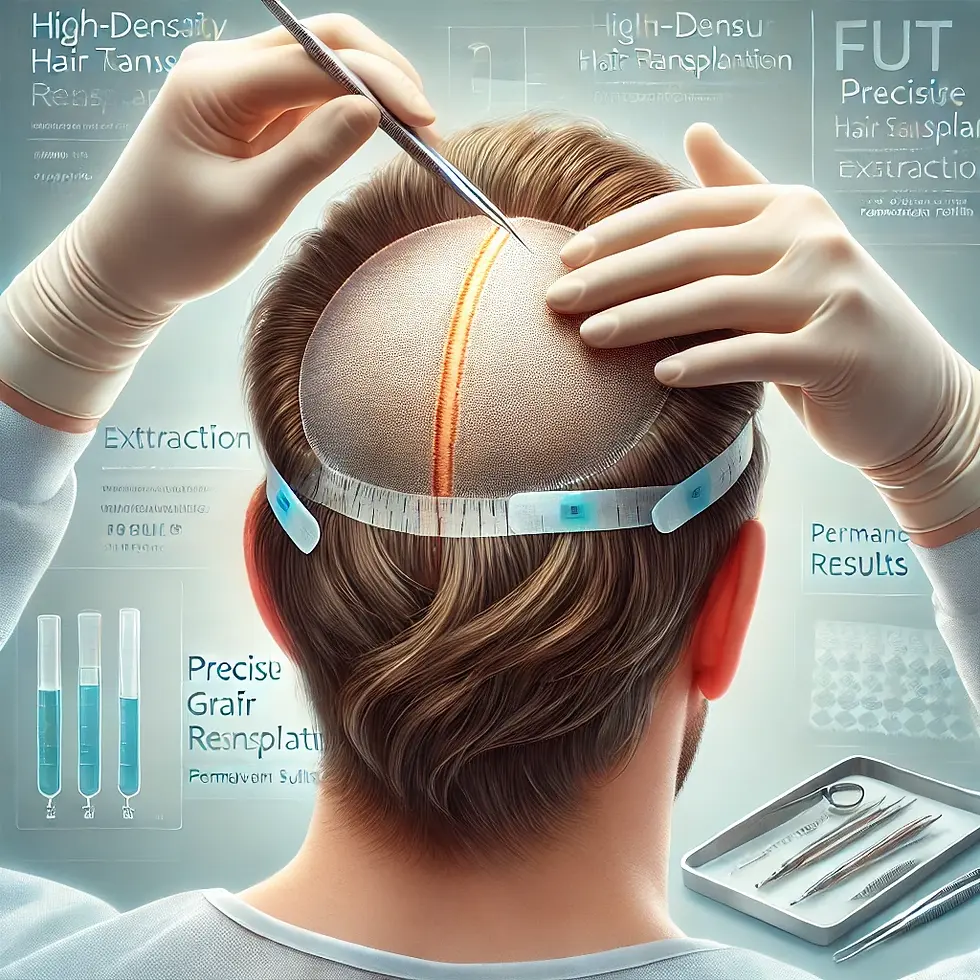
Hair transplants have become one of the most effective solutions for permanent hair loss. Yet, despite their popularity, many people still hesitate because of misinformation. These hair transplant myths often create unnecessary fear and confusion, stopping individuals from making informed decisions.
In this blog, we break down the most common misconceptions and explain the real truth behind them using medically accurate insights. Let’s separate fiction from reality.
Myth 1: Hair Transplants Look Fake
One of the most widespread common hair transplant myths is that the results look unnatural.
Fact: Modern techniques such as FUE and DHI focus on natural hairline design and precise graft placement. When performed by experienced professionals, the transplanted hair blends seamlessly with existing hair, making it virtually undetectable.
Myth 2: Hair Transplant Is Only for Men
Many people believe hair transplants are a male-only solution.
Fact: Hair loss affects women too, due to genetics, hormonal changes, or medical conditions. Today, women increasingly opt for hair restoration procedures with excellent outcomes. This is one of the most misunderstood hair transplant myths and facts.
Myth 3: The Procedure Is Extremely Painful
Fear of pain keeps many away from treatment.
Fact: The procedure is performed under local anesthesia. Patients may feel mild discomfort, but it is far from painful. Most people resume normal activities within a few days. These are proven hair transplant facts backed by patient experiences.
Myth 4: Hair Transplant Results Are Instant
Some assume they will walk out with full hair overnight.
Fact: Hair growth is a gradual process. Transplanted hair sheds initially and begins regrowing after a few months. Final results usually appear within 9 to 12 months. Understanding this helps clear confusion around hair transplant myths vs facts.
Myth 5: Hair Transplant Is Unsafe
Another major misconception is that hair transplants involve serious health risks.
Fact: When performed in a certified medical facility by trained specialists, hair transplants are safe. Minor swelling or redness may occur but resolves quickly. This myth often exaggerates rare complications.
Myth 6: Transplanted Hair Will Fall Out Again
People worry that the new hair will not last.
Fact: The hair used in transplantation is taken from areas resistant to hair loss. Once transplanted, it continues to grow naturally for a lifetime. This is one of the most reassuring hair transplant facts for patients.
Myth 7: Only Older People Need Hair Transplants
Many believe age determines eligibility.
Fact: Hair loss can begin as early as the 20s. Candidacy depends on hair loss pattern and donor hair quality, not age. Believing this is one of the outdated hair transplant myths that no longer applies.
Myth 8: Hair Transplant Requires Long Bed Rest
Some people think recovery takes weeks or months.
Fact: Most patients return to work within a few days. There are some temporary restrictions, but bed rest is not required. This myth often discourages working professionals unnecessarily.
Myth 9: Hair Transplant Is Only for Complete Baldness
People with thinning hair assume they are not eligible.
Fact: Hair transplants are often more effective in early or moderate hair loss stages. Treating thinning areas early can deliver better density and long-term results. This is an important point in hair transplant myths and facts discussions.
Myth 10: Hair Transplant Is Too Expensive for Everyone
Cost misconceptions prevent many from exploring options.
Fact: Hair transplant costs vary depending on technique, graft count, and clinic expertise. With flexible plans and long-term value, it is often more cost-effective than years of temporary treatments. This clears one of the most common hair transplant myths vs facts.
Why Understanding Hair Transplant Facts Matters
Believing misinformation can delay treatment and worsen hair loss. Learning accurate hair transplant facts empowers individuals to choose the right solution at the right time. With advanced techniques and skilled professionals, hair restoration today is safer, more natural, and more accessible than ever.
Final Thoughts
Ignoring treatment due to outdated beliefs can cost valuable time. Understanding the truth behind hair transplant myths helps you make confident and informed decisions. Modern hair restoration is reliable, natural-looking, and designed for long-term success.
If you are considering a hair transplant, always rely on verified medical advice rather than myths. Knowledge is the first step toward restoring not just hair, but confidence too.
FAQs About Hair Transplant Myths
Are hair transplant results permanent?
Yes, transplanted hair is permanent because it is taken from hair loss–resistant areas of the scalp.
How long does it take to see final results?
Visible growth begins in 3–4 months, with full results appearing in 9–12 months.
Can hair transplants fail?
When done by experienced specialists and followed with proper aftercare, failure rates are extremely low.
Is a hair transplant suitable for everyone?
Most people with sufficient donor hair are eligible, but a medical evaluation is necessary.
Do hair transplants require special maintenance?
Transplanted hair grows like natural hair and requires normal grooming and care.

Comments